

Drone Thermal Inspection
Home – Drone Thermal Inspection
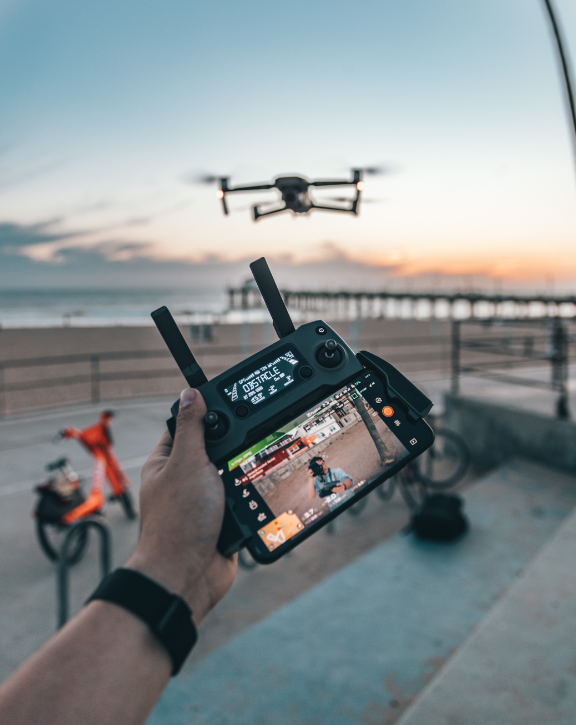 Advanced Building Leak Detection, Roof Diagnostics & Inter-Floor Leakage Investigation
Malaysia’s tropical climate presents significant challenges for building durability. High humidity, intense solar exposure, and heavy monsoon rainfall constantly stress building materials and waterproofing systems. Over time, these conditions often lead to hidden moisture infiltration, roof leakage, structural cracks, and facade deterioration.
Unfortunately, many building leaks remain undetected until visible damage appears inside the property. By the time ceiling stains, peeling paint, or mold growth become visible, water may already have traveled through hidden pathways within the structure.
Traditionally, locating the source of leakage required manual inspection at height, expensive scaffolding, or destructive “trial-and-error” hacking of tiles and concrete.
Today, modern building diagnostics offer a far more efficient solution.
Drone thermal inspection combined with handheld moisture detection tools provides a non-destructive method of identifying hidden moisture and waterproofing failures in buildings.
This technology is increasingly used across Malaysia to diagnose roofing problems, facade leaks, structural moisture infiltration, and inter-floor leakage in high-rise buildings.
Understanding Hidden Building Moisture Problems
Water infiltration is one of the most damaging factors affecting building structures. When water penetrates a building envelope, it can cause long-term problems including:
- Concrete deterioration
- Reinforcement corrosion
- Mold growth
- Structural weakening
- Interior damage to ceilings and walls
The challenge with building leaks is that the visible damage is often far away from the actual source of water entry.
Water may travel through:
- Concrete slabs
- Insulation layers
- Screed layers
- Waterproofing membranes
- Structural beams
As a result, traditional visual inspections often fail to identify the root cause of leakage.
What is Drone Thermal Inspection?
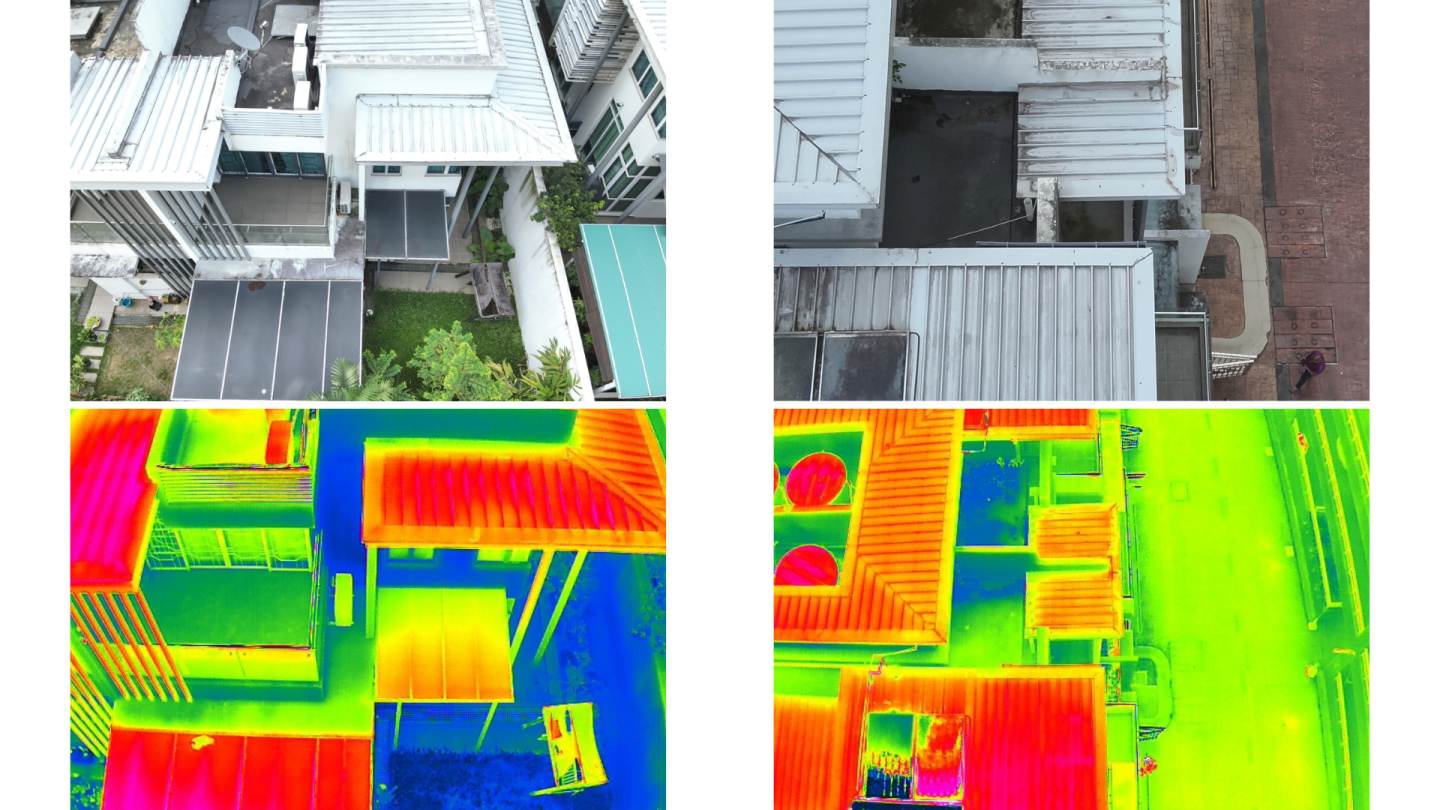
Drone thermal inspection uses advanced unmanned aerial vehicles (UAVs) equipped with high-resolution radiometric thermal cameras to detect temperature differences across building surfaces.
These temperature differences, known as thermal anomalies, can indicate the presence of hidden moisture beneath surfaces.
Wet materials behave differently from dry materials when exposed to heat. Because water retains heat longer than surrounding materials, thermal cameras can identify areas where moisture is trapped beneath roof membranes, concrete slabs, or facade systems.
Drone thermal inspections allow technicians to scan large building surfaces quickly and safely, providing valuable diagnostic information without damaging the structure.
The “No-Hacking” Approach to Leak Detection
One of the biggest advantages of modern thermal inspection technology is the ability to locate leakage sources without destructive investigation.
In many traditional inspections, contractors may begin hacking tiles or breaking concrete surfaces in an attempt to locate the source of leakage. This process can lead to unnecessary repairs and additional costs for building owners.
Thermal imaging technology allows technicians to identify areas of hidden moisture accumulation, allowing repairs to be targeted precisely where they are needed.
This approach saves both time and money while minimizing disruption to building occupants.
Top 5 Causes of Roof Leakage in Malaysian Buildings
Roof leakage is one of the most common maintenance problems affecting buildings in Malaysia. The combination of intense sunlight and heavy rainfall places significant stress on roofing systems.
Below are five of the most common causes of roof leakage.
1. Waterproofing Membrane Failure
Waterproofing membranes are designed to protect roof slabs from water penetration. However, over time these materials can deteriorate due to:
- Ultraviolet exposure
- Thermal expansion and contraction
- Standing water
- Poor installation
When waterproofing membranes lose adhesion or develop cracks, water can penetrate beneath the surface and accumulate within the roof structure.
Detection Using Thermal Drones
Thermal drones can identify areas where moisture is trapped beneath the waterproofing system. These wet zones appear as temperature anomalies on thermal images, helping technicians locate potential membrane failures.
2. Cracks in Concrete Roof Slabs
Concrete structures naturally develop cracks due to shrinkage, structural movement, and temperature changes. When rainwater penetrates these cracks, it may migrate through the slab and appear as leakage inside the building.
Detection Using Thermal Imaging
Thermal cameras can reveal moisture patterns within the slab, helping technicians identify potential crack locations responsible for water intrusion.
3. Poor Roof Drainage and Water Ponding
Heavy rainfall in Malaysia requires efficient roof drainage systems. When drainage outlets become blocked or insufficient slopes are provided, water may accumulate on the roof surface.
Standing water significantly increases the risk of waterproofing failure.
Detection Using Drone Inspection
Drone inspections can quickly identify areas where water remains trapped on the roof after rainfall. These moisture zones are visible through thermal imaging.
4. Defective Roof Penetrations
Roof penetrations are required for services such as ventilation ducts, electrical conduits, and air-conditioning systems. If sealing around these penetrations fails, water may seep into the roof structure.
Detection Using Thermal Cameras
Thermal imaging can highlight localized moisture accumulation around roof penetrations, allowing technicians to identify defective sealing points.
5. Aging Waterproofing Systems
Many buildings in Malaysia have waterproofing systems that are more than 15–20 years old. As materials age, they lose elasticity and become vulnerable to cracking and water penetration.
Detection Using Thermal Diagnostics
Thermal inspections help building owners identify areas where moisture has accumulated due to aging waterproofing systems, allowing preventive maintenance to be planned before major damage occurs.
Inter-Floor Leakage in Condominiums
Inter-floor leakage is one of the most common maintenance issues in high-rise residential buildings.
When water penetrates the floor of an upper unit, it may travel along structural pathways before appearing in the ceiling of the lower unit.
Because of this complex water movement, identifying the source of leakage can be extremely challenging.
Common causes of inter-floor leakage include:
- Bathroom waterproofing failure
- Defective plumbing pipes
- Cracked floor slabs
- Poorly sealed floor traps
- Balcony waterproofing defects
Diagnosing Inter-Floor Leakage Without Hacking Tiles
Modern building diagnostics use non-destructive tools to identify the source of leakage without damaging the building structure.
These tools include:
- Handheld moisture meters
- Handheld thermal cameras
- Drone thermal inspection systems
Moisture Detection Using Handheld Moisture Meters
A handheld moisture meter measures the moisture content within building materials such as:
- Concrete
- Plaster
- Screed
- Drywall
By scanning both the ceiling of the affected unit and the floor of the unit above, technicians can identify areas where moisture levels are elevated.
This helps determine the direction of water movement and the likely origin of the leak.
Thermal Imaging Using Handheld Thermal Cameras
Thermal cameras detect temperature variations on building surfaces. Areas containing moisture typically appear cooler than surrounding dry surfaces.
Thermal imaging allows technicians to visualize:
- Moisture trapped behind walls
- Water migration pathways
- Leakage around pipes and floor traps
By combining thermal imaging with moisture meter readings, technicians can pinpoint the most probable source of leakage.
When Drone Thermal Inspection is Required
In some cases, leakage problems originate from external sources such as:
- Roof slab infiltration
- External wall cracks
- Facade waterproofing failure
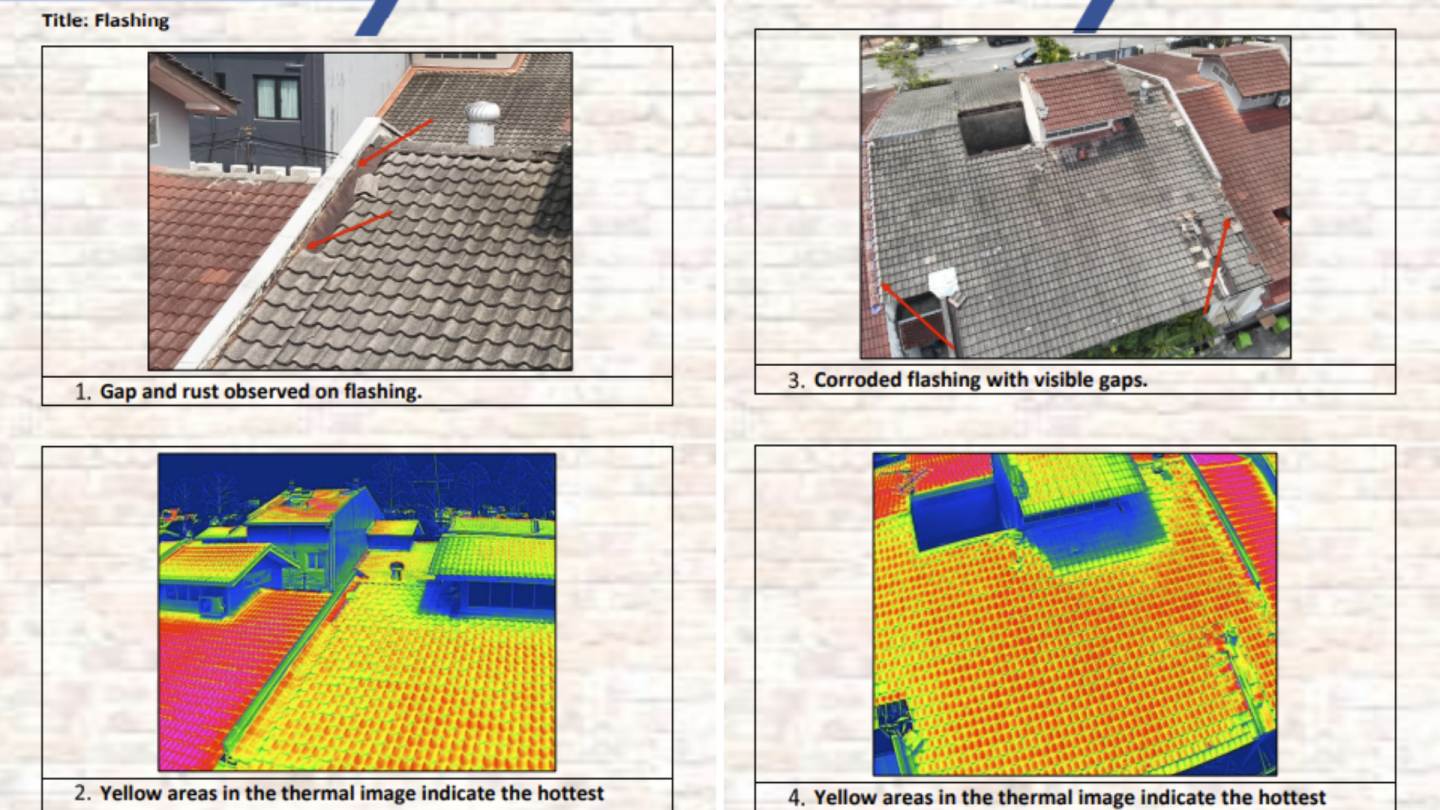
Drone thermal inspection allows technicians to scan building exteriors and roof surfaces safely, helping identify problems that may not be visible from ground level.
Sectors Benefiting from Thermal Building Diagnostics
Thermal inspection technology is increasingly used across multiple sectors in Malaysia.
High-Rise Condominiums
Thermal diagnostics help resolve inter-floor leakage disputes and identify the true source of water intrusion.
Commercial Buildings
Shopping malls and office buildings use thermal inspections to detect roof moisture and insulation defects.
Industrial Facilities
Factories and warehouses rely on thermal roof inspections to maintain dry environments for equipment and inventory.
Educational Institutions
Schools and universities use thermal diagnostics to identify hidden building defects and plan preventive maintenance.
Advantages of Thermal Building Inspection
Modern building diagnostics offer several benefits compared to traditional inspection methods.
- Non-destructive investigation
- Faster detection of hidden moisture
- Reduced repair costs
- Safer inspection of high-rise buildings
- More accurate identification of leak sources
These advantages allow building owners to address problems early before they escalate into major structural damage.
Complimentary Thermal Building Inspection Programme
Klang Valley Initiative
To introduce advanced building diagnostic technology to property owners, a limited Complimentary Drone Thermal Inspection Programme is currently available for selected buildings in the Klang Valley.
The inspection may include:
- Drone thermal roof scan
- Handheld moisture meter testing
- Handheld thermal camera inspection
- Preliminary assessment of leakage sources
This initiative is designed for:
- Condominiums and residential towers
- Commercial buildings
- Factories and warehouses
- Schools and institutional facilities
Conclusion
Hidden moisture infiltration is one of the most serious threats to building durability in Malaysia’s climate. Traditional inspection methods often rely on destructive testing and guesswork, which can increase repair costs and delay proper solutions.
Modern diagnostic technologies such as drone thermal inspection, handheld thermal imaging, and moisture detection tools provide a more accurate and non-destructive method for identifying building leaks.
By detecting hidden moisture early, building owners and property managers can implement targeted repairs, protect structural integrity, and significantly reduce long-term maintenance costs.

