

Waterproofing Forensic Inspection
Home – Waterproofing Forensic Inspection
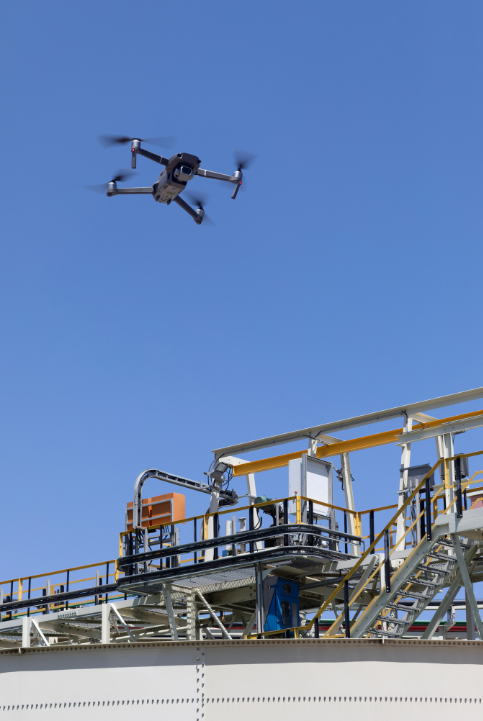 Waterproofing Forensic Inspection Malaysia
Advanced Investigation of Building Leakage & Structural Moisture Failures
Water leakage in buildings can often be difficult to diagnose using conventional inspection methods. In many cases, visible damage such as ceiling stains, mold growth, or peeling paint represents only the symptom of a deeper structural or waterproofing failure.
When the root cause of leakage cannot be clearly identified, repair works often become a cycle of repeated patching that fails to solve the problem permanently.
Waterproofing forensic inspection provides a systematic and scientific approach to diagnosing complex building leakage issues.
This advanced investigative process combines field diagnostics, laboratory testing, and engineering analysis to identify the true origin of moisture infiltration and recommend long-term repair solutions.
What is Waterproofing Forensic Inspection?
Waterproofing forensic inspection is a specialized building investigation process used to determine the root cause of water intrusion in structures.
Unlike general inspections, forensic investigations involve detailed analysis using multiple diagnostic techniques, including:
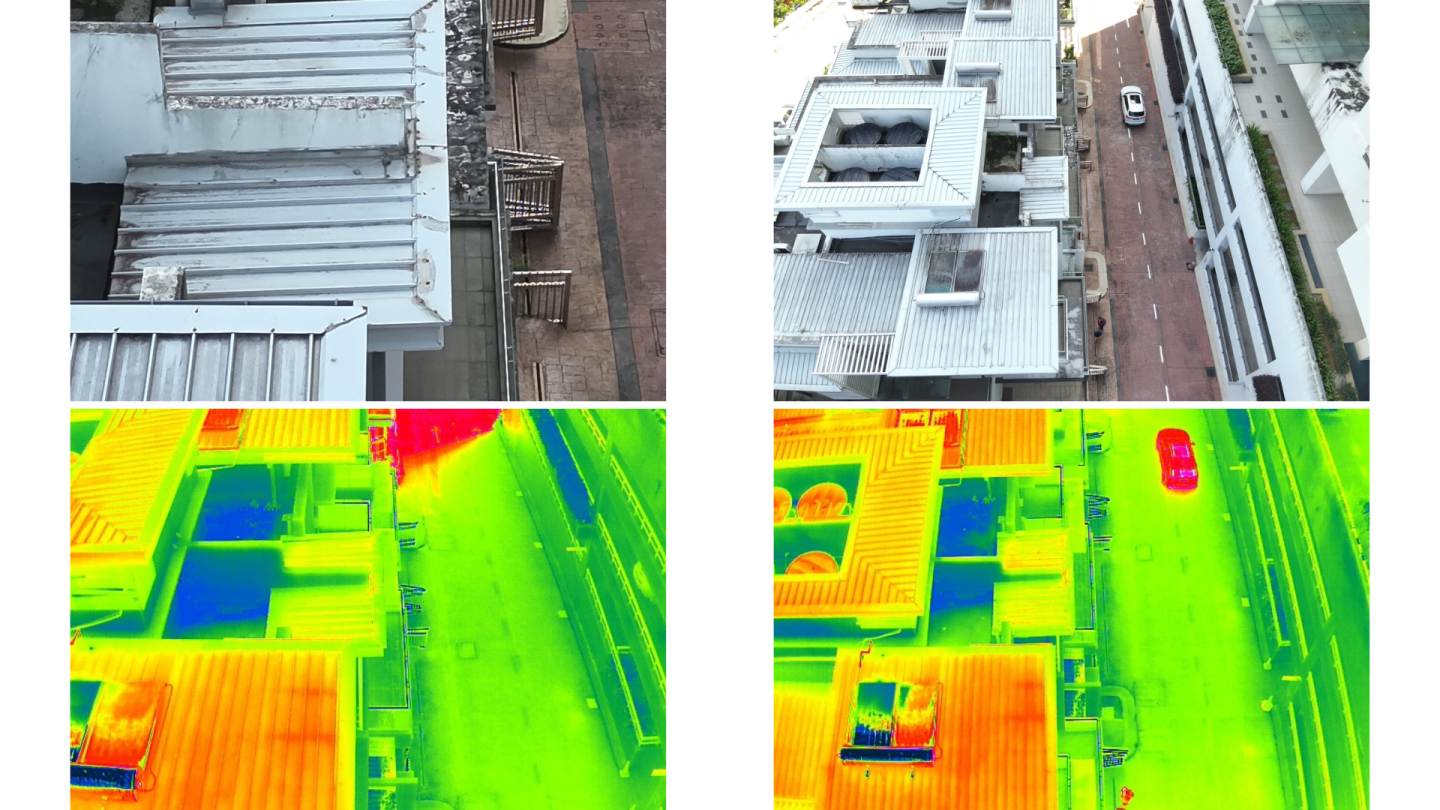
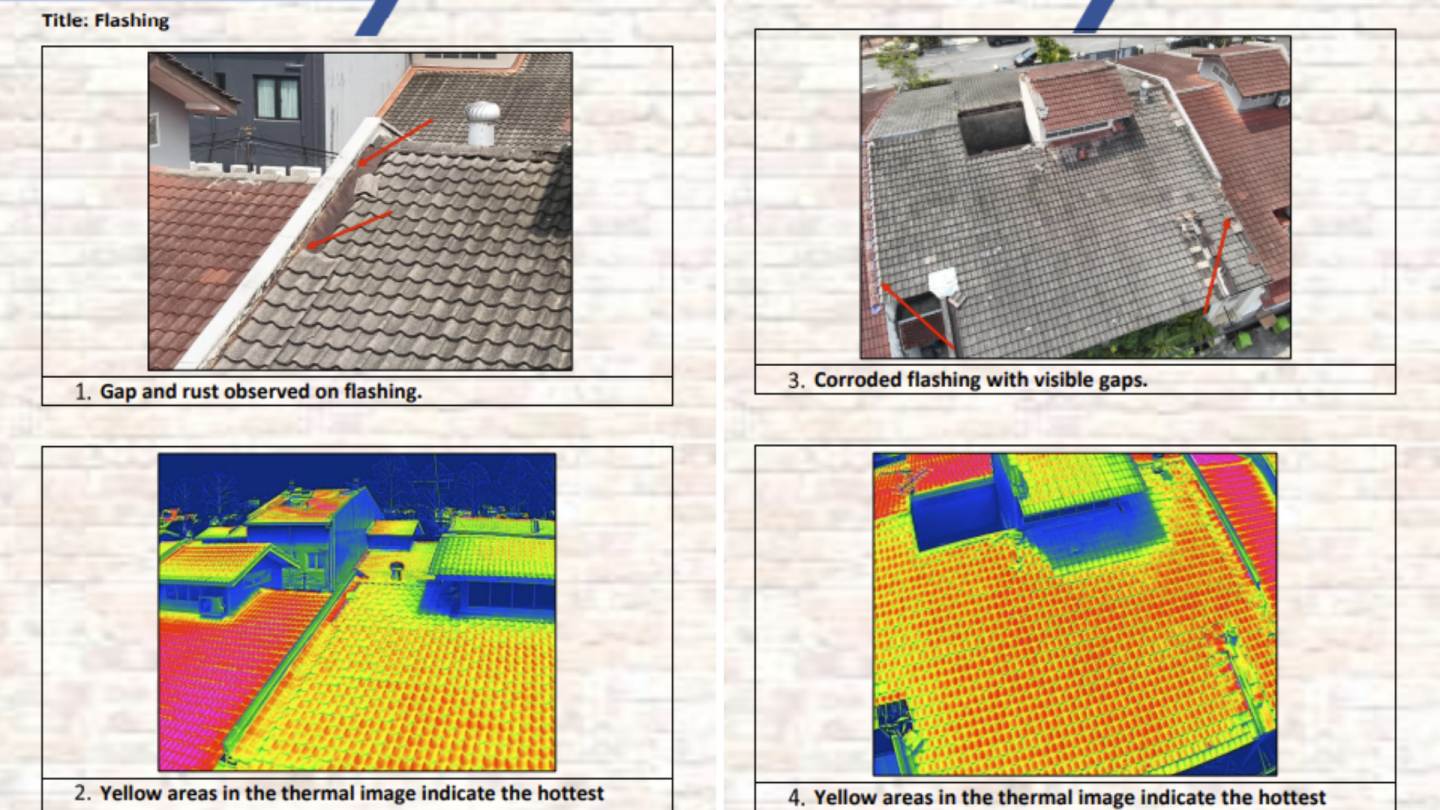
- Drone thermal inspection of roofs and facades
- Handheld thermal imaging diagnostics
- Moisture content testing using specialized meters
- Structural crack assessment
- Waterproofing system analysis
- Independent laboratory testing of materials
This multi-layered approach ensures that the investigation identifies the true cause of leakage rather than superficial symptoms.
When is Forensic Waterproofing Investigation Required?
Forensic inspection is typically required when buildings experience persistent or complex leakage problems, such as:
- Recurring roof leaks despite repeated repairs
- Inter-floor leakage in high-rise buildings
- Large-scale water infiltration in commercial buildings
- Waterproofing failures in podium decks or basements
- Structural cracks causing water penetration
- Industrial buildings with widespread roof moisture problems
These cases often require a structured technical investigation before repair works can be properly designed.
The Forensic Investigation Process
A typical waterproofing forensic investigation includes several stages.
1. Site Condition Assessment
The investigation begins with a detailed site survey to assess the visible signs of water intrusion and building conditions.
Areas commonly inspected include:
- Roof slabs and waterproofing systems
- External facades and expansion joints
- Balconies and wet areas
- Structural cracks and joints
2. Thermal and Moisture Diagnostics
Advanced diagnostic tools are used to detect hidden moisture within building structures.
These tools may include:
- Drone thermal imaging systems
- Handheld infrared cameras
- Moisture detection meters
These technologies help identify water migration pathways and hidden moisture accumulation zones.
3. Material Sampling and Laboratory Testing
In cases where waterproofing systems have deteriorated or failed, material samples may be collected for independent laboratory testing.
Laboratory analysis can determine:
- Waterproofing membrane integrity
- Material degradation
- Adhesion failure
- Chemical composition changes
This data provides objective evidence to support the forensic findings.
4. Root Cause Analysis
Using field diagnostics and laboratory data, the investigation identifies the primary mechanism responsible for water infiltration.
This step is critical because many leakage problems involve multiple contributing factors.
5. Repair Methodology Design
Based on the investigation results, a targeted repair methodology is developed.
The recommended repair strategy may include:
- Waterproofing system replacement
- Structural crack injection
- Drainage improvements
- Sealant replacement
- Concrete repair
This ensures that repair works address the true source of the problem rather than temporary surface fixes.
Benefits of Waterproofing Forensic Investigation
Forensic inspections provide several advantages for building owners and developers.
✔ Identifies the true root cause of leakage
✔ Avoids repeated repair failures
✔ Reduces long-term maintenance costs
✔ Provides technical evidence for insurance or legal cases
✔ Enables precise repair planning
For complex leakage cases, forensic investigation often saves significant costs compared to trial-and-error repair attempts.
Typical Applications
Waterproofing forensic inspections are commonly conducted for:
- Commercial buildings
- High-rise residential developments
- Industrial facilities
- Shopping malls
- Educational institutions
- Large podium structures
These buildings often require a structured engineering investigation before major repair works are carried out.
Service Coverage
Waterproofing forensic inspection services are available throughout Malaysia, including:
- Kuala Lumpur
- Selangor
- Klang Valley
- Penang
- Johor
- Major industrial zones
Consultation for Complex Leakage Problems
For buildings experiencing persistent or complex leakage problems, forensic waterproofing investigation provides a reliable method of identifying the root cause and developing effective repair solutions.
Early technical investigation can prevent repeated repair failures and significantly reduce long-term maintenance costs.

